Driving Business Empowerment In The Digital Era With Innovative Solutions
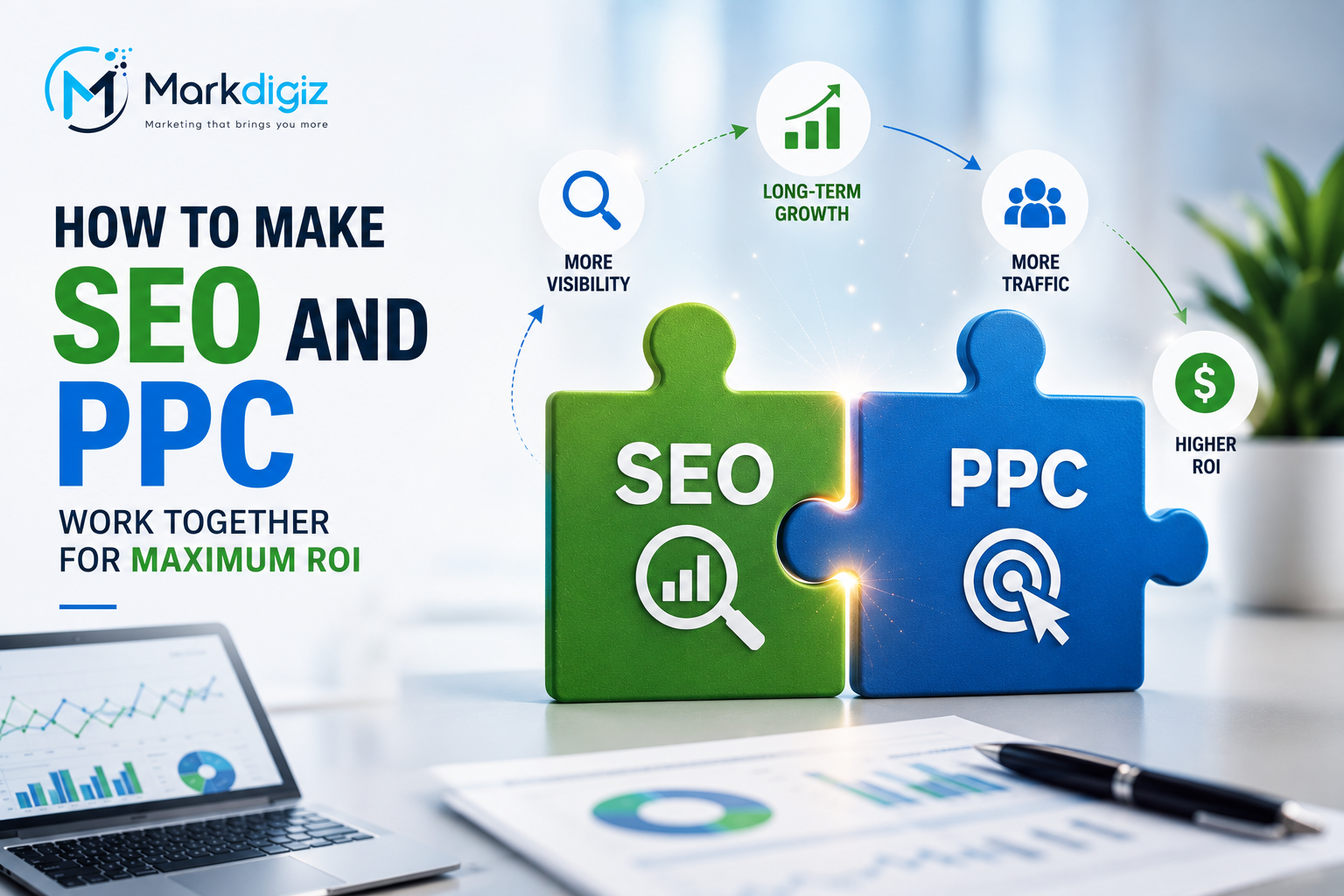
Many businesses treat Search Engine Optimisation (SEO) and Pay-Per-Click (PPC) advertising as two completely separate marketing channels. In reality, they perform best when they work together. While PPC delivers immediate traffic and leads, SEO builds long-term visibility and sustainable growth. Combining both strategies allows businesses to capture customers at every stage of the buying journey while improving marketing efficiency and return on investment (ROI).
Instead of competing for budget, SEO and PPC should complement each other. The insights gained from paid advertising can strengthen organic search performance, while SEO improvements can reduce advertising costs and improve campaign results. When managed together, these channels create a smarter, data-driven digital marketing strategy.
What is SEO?
Search Engine Optimisation (SEO) is the process of improving your website’s visibility in unpaid search engine results. The goal is to attract relevant visitors by creating valuable content, optimising website structure, and ensuring search engines can easily understand and index your pages.
A successful SEO strategy typically includes:
- On-Page SEO: Optimising titles, headings, keywords, content, and internal links.
- Technical SEO: Improving website speed, mobile usability, indexing, and crawlability.
- Local SEO: Helping businesses appear in location-based searches and Google Business Profile results.
- Off-Page SEO: Building authority through quality backlinks and brand mentions.
Although SEO takes time to produce results, it provides lasting traffic without paying for every click.
What is PPC?
Pay-Per-Click (PPC) advertising allows businesses to display paid ads on search engines and other digital platforms. Advertisers only pay when someone clicks on their advertisement.
Popular PPC platforms include:
- Google Ads
- Google Shopping
- Performance Max Campaigns
- Microsoft Ads
- Facebook & Instagram Ads
- LinkedIn Ads
PPC is ideal for generating immediate visibility, promoting offers, and targeting high-intent customers ready to convert.
Why SEO and PPC Work Better Together
SEO focuses on building long-term authority, while PPC delivers instant exposure. When combined, businesses benefit from both immediate results and sustainable growth.
The biggest advantage is shared data. PPC campaigns quickly reveal which keywords, headlines, and landing pages generate the highest conversions. These insights can then be used to improve SEO content, helping websites rank for terms that have already proven valuable.
Likewise, strong SEO can improve landing page quality, resulting in better Google Ads Quality Scores, lower cost-per-click (CPC), and improved ad performance.
1. Use PPC Data to Improve SEO
PPC campaigns generate real-time performance data. Instead of relying solely on keyword research tools, businesses can identify which search terms actually lead to enquiries and sales.
Once high-performing keywords are identified, they can be incorporated into:
- Website service pages
- Blog articles
- Product descriptions
- FAQs
- Meta titles and descriptions
This approach removes guesswork and focuses SEO efforts on keywords with proven commercial value.
2. Improve Landing Page Performance
Both SEO and PPC depend on high-quality landing pages.
Well-optimised pages that load quickly, provide valuable content, and deliver an excellent user experience benefit both channels simultaneously.
Better landing pages can:
- Increase conversion rates
- Improve Google Ads Quality Score
- Lower advertising costs
- Increase organic rankings
- Reduce bounce rates
Investing in page quality produces long-term benefits across all marketing campaigns.
3. Dominate Search Results
Appearing in both paid advertisements and organic listings significantly increases brand visibility.
When users see your business multiple times on the same search results page, it builds credibility and trust. Even if users don’t click immediately, repeated exposure increases brand recognition and improves the likelihood of future conversions.
Owning both paid and organic positions also reduces the opportunity for competitors to capture your potential customers.
4. Retarget Organic Visitors
Not every visitor converts during their first visit.
SEO often attracts users who are researching products or services. PPC remarketing campaigns can reconnect with these visitors by displaying relevant ads after they leave your website.
Remarketing helps businesses:
- Stay visible during the buying process
- Increase conversion rates
- Reduce abandoned enquiries
- Maximise the value of organic traffic
Instead of continually paying for new visitors, businesses generate more value from existing website traffic.
5. Align Keyword Strategy
Many businesses waste advertising budgets by bidding on keywords that already perform well organically while overlooking opportunities where paid advertising could generate additional leads.
An integrated keyword strategy allows businesses to:
- Identify high-converting keywords
- Avoid unnecessary competition between SEO and PPC
- Prioritise high-value search terms
- Expand into new market opportunities
Sharing keyword data creates a more efficient and profitable marketing strategy.
6. Cover the Entire Customer Journey
Customers rarely purchase immediately.
Most people research, compare options, read reviews, and return several times before making a decision.
SEO performs exceptionally well during the awareness and research stages by providing educational content and answering customer questions.
PPC excels during the decision stage by targeting users actively searching for products or services.
Together, they provide complete visibility throughout the entire buying journey.
7. Build a Stronger Brand
Consistent messaging across paid and organic search reinforces brand authority.
When users repeatedly encounter your business through blog articles, service pages, and paid advertisements, they become more familiar with your brand. Increased familiarity builds trust, improves click-through rates, and often leads to higher conversion rates.
Brand consistency is one of the most overlooked benefits of combining SEO and PPC.
Measuring Success
To maximise ROI, businesses should measure both channels together instead of treating them as separate campaigns.
Important metrics include:
- Organic traffic growth
- Paid conversion rate
- Cost per acquisition (CPA)
- Cost per click (CPC)
- Return on ad spend (ROAS)
- Keyword rankings
- Assisted conversions
- Overall revenue
Viewing performance holistically helps marketers make smarter investment decisions.
Best Practices for Integrating SEO and PPC
For the best results:
- Share keyword research between teams.
- Use PPC data to guide SEO content creation.
- Continuously optimise landing pages.
- Test ad copy before using it in page titles and meta descriptions.
- Run remarketing campaigns for organic visitors.
- Monitor search intent across both channels.
- Review campaign performance regularly.
Final Thoughts
SEO and PPC should never be viewed as competing strategies. Each channel offers unique advantages, but together they create a far more powerful digital marketing approach.
SEO provides sustainable visibility, credibility, and long-term traffic, while PPC delivers immediate exposure and valuable performance insights. By sharing data, aligning keyword strategies, and optimising landing pages, businesses can reduce marketing costs, improve conversion rates, and maximise return on investment.
Whether you’re looking to generate more leads, increase online sales, or strengthen your digital presence, integrating SEO and PPC into a unified strategy is one of the smartest investments your business can make.
Share this post :
-
Facebook
-
Twitter
-
Linkedin
Latest Post
-
 WP Engine to Kinsta Migration: Improve WordPress Speed26 Jul 2026
 -
 How to Make SEO and PPC Work Together for Maximum ROI20 Jul 2026
 -
 Mid-Year Google Ads Audit: What's Working, What's Not and Where to Focus Next in 202620 Jul 2026
 -
 AI Content in 2026: What the Research Says About Its Performance Across SEO & Paid Ads20 Jul 2026
 -
Hello world!20 Jun 2026